

Political Trauma
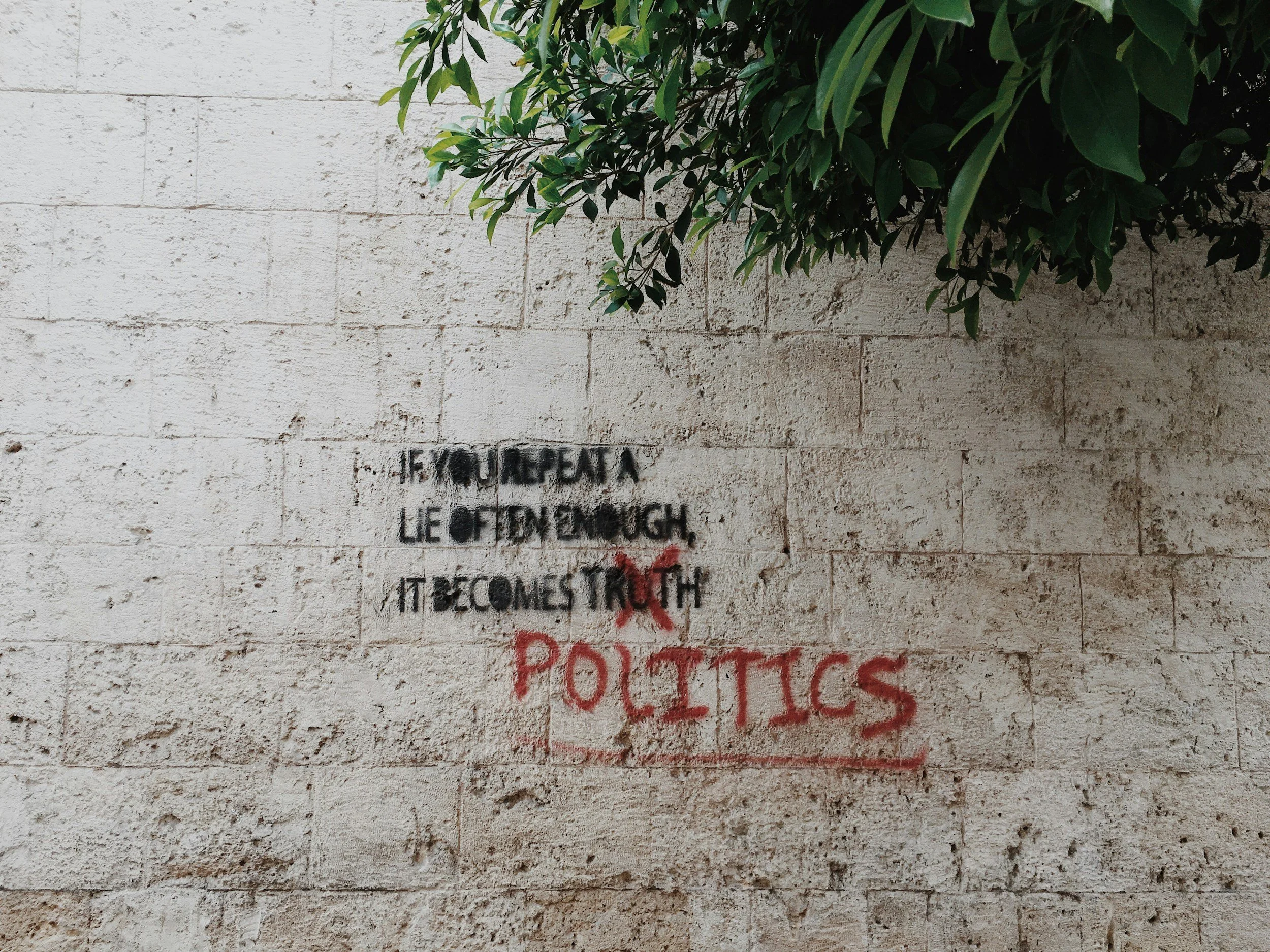
Political trauma refers to the emotional, psychological, and physiological stress responses that arise from exposure to political events, systems, or experiences that threaten safety, identity, or community. This can include events like elections that disrupt people’s sense of future security, experiences of discrimination or policy-driven harm, systemic oppression, or violence related to political conflict. While political trauma itself isn’t a formal clinical diagnosis, its effects often lean to complex trauma symptoms. If you’re currently struggling under this fascist hellscape, click the links below to feel less alone.
-
Trauma does not occur in a vacuum. While traditional trauma therapy has often focused on individual experiences such as abuse, neglect, violence, or accidents, our nervous systems are also shaped by the social, cultural, and political environments in which we live.
At the government level, political decisions influence whether people feel safe in their homes, protected by the law, accepted within their communities, able to access healthcare, or hopeful about the future. For many people, politics is not an abstract intellectual discussion. It determines whether they fear deportation, whether they can marry, whether they can obtain medical care, whether their children will be safe at school, whether their identity is protected under the law, whether they are forced to birth children they do not consent to, or whether they feel welcome in their own community.
Political trauma refers to the emotional, psychological, and physiological effects of living through political events, policies, rhetoric, or systems that threaten one's safety, dignity, identity, autonomy, or sense of belonging.
Political trauma may develop suddenly following political violence, hate crimes, or discriminatory legislation. It may also develop gradually through chronic exposure to fear, uncertainty, discrimination, dehumanizing public rhetoric, systemic oppression, propaganda, gaslighting, or witnessing repeated harm directed toward communities with whom we identify.
Feeling distressed by these experiences is not a personal failure, it is your nervous system responding to real threat exactly as it was designed to respond when safety feels uncertain.
-
Political trauma often emerges when public policy intersects with deeply personal aspects of our lives. For some people, this may involve living with the daily fear of deportation, immigration raids, detention, or family separation.
For others, it may involve anxiety surrounding laws affecting gender-affirming healthcare, reproductive healthcare, bodily autonomy, marriage equality, disability rights, voting rights, or legal protections for marginalized communities.
Some people experience trauma after witnessing political violence, hate crimes, antisemitism, Islamophobia, anti-LGBTQ+ violence, racism, or attacks directed toward people who share their identity.
Others carry the cumulative effects of minority stress: living in a society where aspects of their race, ethnicity, religion, immigration status, disability, body size, gender identity, sexual orientation, or other identities become frequent targets of political debate or public hostility.
Political trauma can also develop through repeated exposure to humanitarian crises, war, genocide, living under fascism, environmental disasters, mass shootings, police brutality, or violence against vulnerable communities. For many people, witnessing these events day after day through traditional media and social media creates a persistent sense that the world has become fundamentally unsafe.
These experiences are often intensified for individuals with CPTSD or neurodivergence, because of the nervous system sensitivity and justice sensitivity, as current events may reactivate earlier experiences of helplessness, betrayal, abandonment, or fear.
-
Human beings are remarkably resilient, but the nervous system was never designed to remain under constant threat. Many people describe feeling as though they cannot escape the suffering they witness. News alerts arrive throughout the day. Social media continuously exposes us to violence, injustice, discrimination, and humanitarian crises. Political conflict enters family gatherings, workplaces, schools, and friendships.
For some, remaining informed feels like a moral responsibility. For others, turning away feels impossible because the issues directly affect their lives or the lives of people they love. Further, some people have the privilege of checking out, while others do not have such distance from events.
Over time, chronic exposure to politically-motivated threat can produce a state of persistent nervous system activation, leading to complex PTSD. You may notice:
feeling constantly "on edge"
anticipating the next crisis
difficulty relaxing
emotional exhaustion
compassion fatigue
moral injury
burnout from advocacy or caregiving
helplessness or despair
emotional numbness
difficulty imagining a hopeful future
suicidal ideation
When activation continues for months or years, many people begin alternating between hypervigilance and emotional shutdown as the nervous system struggles to conserve energy. This is unsustainable long-term and leaves lasting wounds.
-
Political trauma affects far more than thoughts about current events. It influences emotions, cognition, physical health, behavior, relationships, and overall well-being.
Emotional experiences may include:
persistent anxiety
dread about the future
grief
hopelessness
irritability
anger
panic
overwhelm
emotional numbness,
dissociation
profound sadness over the suffering of others.
Cognitive experiences may include:
intrusive thoughts
rumination
difficulty concentrating
distrust of institutions
difficulty planning for the future
constant monitoring of current events
questioning beliefs that once helped the world feel predictable or safe.
Nervous system experiences may include:
insomnia
muscle tension
headaches
gastrointestinal distress
fatigue
hypervigilance
difficulty relaxing
feeling physically exhausted despite adequate rest.
Behavioral experiences may include:
avoiding public places
withdrawing from relationships
becoming emotionally numb
engaging in compulsive news checking
experiencing burnout after prolonged advocacy, caregiving, or community organizing.
-
Political trauma rarely affects only the individual. Often, families become divided, friendships end, communities fracture, and people begin avoiding conversations out of fear that discussing their values or identities will damage important relationships.
Some individuals lose entire support systems after expressing political beliefs or advocating for marginalized communities. Others feel emotionally unsafe around family members whose beliefs threaten their dignity, rights, or sense of belonging. Many people describe grieving relationships that once felt secure but now feel fundamentally different.
Political trauma can also create profound loneliness as you begin wondering if people truly see your humanity or whether they would stand beside you if your rights were threatened.
People more and more are beginning to question whether it is emotionally safe to be fully known, even by those previously closed to them. These experiences can also echo earlier attachment wounds and reinforce longstanding fears of rejection, abandonment, or betrayal.
-
Healing political trauma does not require becoming indifferent to injustice or abandoning deeply held values. Healing involves learning how to remain engaged without allowing chronic activation to overwhelm your nervous system. This is not an easy task, and our goal is not to teach people to tolerate their oppression but to explore the power of their own self-advocacy and to rebuild community.
Therapy provides a space to process grief, fear, anger, helplessness, and moral injury while strengthening your capacity for staying attuned to self to engage in meaningful action.
Our work together may include helping you establish healthier boundaries with distressing media, process identity-based trauma, strengthen nervous system regulation, reconnect with supportive communities, develop sustainable forms of advocacy that reduce burnout, leave relationships and communities that are harming you, and rediscover moments of joy without guilt.
While we cannot control every event unfolding around us, we can cultivate community, strengthen connection, care for our nervous systems, and choose how we respond to the world around us.